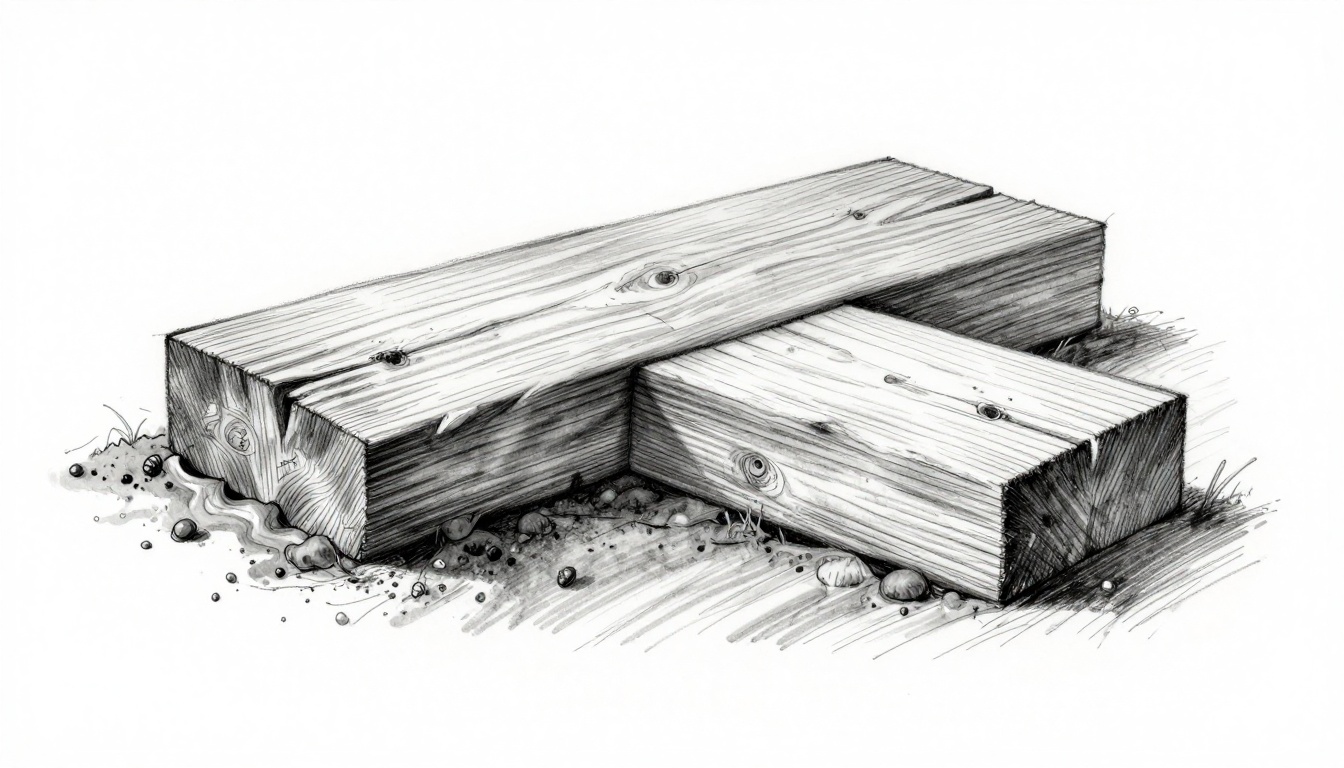
Imagine sinking time and cash into a backyard deck, only to see it crumble after one rainy season. That’s exactly what happened to my neighbor; he grabbed “treated lumber” without checking the label and ended up with warped, buggy boards touching the soil.
The fix cost him thousands in replacements. Ground-contact vs. above-ground wood ratings solve this mess by showing treatment levels against rot, insects, and moisture. Ground-contact wood packs more chemicals for direct earth exposure, while above-ground handles decks or fences just fine.
You need this info as a beginner because wrong choices lead to quick failures and steep repairs. In short, it saves your projects and wallet.
Stick around; we’ll break down the basics next, then dive into each rating, spot key differences, and give tips to pick smart for any build.
What Pressure-Treated Wood Ratings Actually Tell You
Pressure-treated wood ratings reveal the level of protection against rot, insects, and moisture. They tell you exactly how much preservative the wood holds and where you can use it safely. Builders mark these ratings right on the wood tag, so you know if it suits your deck or fence.
These ratings come from standards set by the American Wood Protection Association, or AWPA. In simple terms, they measure retention levels; that’s pounds of chemical per cubic foot of wood. Higher numbers mean deeper chemical soak for tougher spots. For example, above-ground wood might hold just 0.15 pounds per cubic foot, while ground-contact needs 0.40 or more.
Why the difference? It boils down to exposure. Wood touching soil faces constant wet and bugs, so it gets extra armor. Above-ground pieces deal with rain now and then, so less treatment works fine. Think of it like choosing rain boots for mud versus a light jacket for sprinkles.
Most treated wood uses preservatives like copper azole, a safe mix that fights decay fungi and termites. Factories force this in under pressure, creating reliable ratings you can trust.
How the Treatment Process Creates These Ratings
Factories treat wood in giant pressure chambers to push preservatives deep inside. This process mimics vaccinating wood against “wood diseases” like rot and bugs. Deeper penetration and more chemical create higher ratings for harsh conditions.
Here’s how it works in basic steps:
- Workers load green lumber into the chamber.
- They pull a vacuum to suck out air and sap.
- Next, they flood it with preservative solution.
- High pressure forces the chemical deep into the cells, sometimes up to two inches.
- Finally, they drain, vacuum again, and let it dry.
Pressure and time vary by rating. Ground-contact wood gets longer pressure for deeper soak, hitting those high retention levels like 0.40 pounds per cubic foot. Above-ground skips the extreme push, settling at 0.15. As a result, posts buried in dirt last decades, while fence rails shrug off occasional wet.
AWPA sorts uses into categories to match ratings perfectly. Check these key ones:
- UC3B (above-ground): Handles exterior spots with occasional wetting, like decks or railings. Retention around 0.15 pcF keeps it light yet effective.
- UC4A (ground-contact): Fits soil exposure without big water flow, such as fence posts. Needs 0.40 pcF for solid defense.
- UC4B (heavy ground-contact): Tackles constant wet soil or fresh water, like marine pilings. Retention jumps to 0.60 pcF or higher.
| Use Category | Exposure Type | Typical Retention (pcF) | Everyday Examples |
|---|---|---|---|
| UC3B | Above-ground, occasional wet | 0.15 | Deck boards, fences |
| UC4A | Ground-contact, soil | 0.40 | Fence posts, steps |
| UC4B | Severe ground-contact | 0.60+ | Bridge timbers |
This table shows why you match ratings to jobs. Pick UC3B for a backyard fence; it saves weight and cost. But bury a UC4A post, and it fights soil moisture head-on. In short, the process builds ratings that prevent failures like my neighbor’s soggy deck.
Above-Ground Ratings: Great for Decks, Railings, and Fences
Above-ground wood ratings fit projects that stay clear of soil. These ratings fall under UC3B use category. Wood treated to this level handles air exposure plus occasional rain or splashes. It never touches dirt, so minimal moisture pulls from the ground. Factories push in preservatives like copper azole at 0.10 to 0.25 pounds per cubic foot (pcf). This amount fights termites and decay fungi just right. You get solid protection without overkill.
In addition, UC3B wood costs less because it needs fewer chemicals. It’s lighter too, so you lift and cut it easier. However, don’t grab it for posts or planters. Those spots wick up constant wet from soil. Stick to the rating, and your build lasts.
Here’s a quick look at the pros and cons:
- Cheaper price: Saves you 20-30% over ground-contact options.
- Lighter weight: Haul boards without back strain; great for solo DIY.
- Easier to work: Saws and nails glide through smoother.
- Good looks: Dries faster with even color.
- Not for soil: Fails fast if buried or potted.
- Limited wet tolerance: Skips heavy splash zones like poolsides.
For example, I built a backyard fence with UC3B rails 22 years ago. It still stands strong after storms and sun. No rot, no bugs. Just seal it yearly, and it thrives.
Spot the right label at the store. Look for tags stamped “UC3B” or “Above Ground Use Only”. Check retention printed nearby, like “CA-B 0.15 pcf.” Avoid vague “treated” stamps. Snap a photo if unsure.
| Retention Level (pcf) | Protection Strength | Best For |
|---|---|---|
| 0.10 | Basic termite/fungi | Dry fences, pergolas |
| 0.15-0.19 | Standard outdoor | Decks, railings |
| 0.25 | Extra wet tolerance | Splashed benches |
This table matches retention to needs. Pick based on your weather. As a result, you avoid waste.
Projects That Thrive with Above-Ground Wood
Certain DIY jobs love above-ground wood. These keep boards up off soil, so little moisture sneaks in. Rain drips off fast. Bugs stay away thanks to the treatment. Pick 5-7 ideas below. Each fits UC3B perfectly. But watch out: never use for posts in dirt. That leads to rot and collapse.
- Horizontal fences: Rails and pickets stay dry in air. They shrug off sprinkles; one neighbor’s lasted 25 years.
- Deck boards: Walk on them daily. Occasional rain wets tops only; no ground pull.
- Railings and balusters: Grip them safely. Splashes from drinks hit, but air dries quick.
- Pergolas: Shade frames overhead. Sun and light rain test them; treatment holds up.
- Garden benches: Sit and relax. Legs elevate off soil; minimal wicking.
- Arbors: Gate toppers in yards. Wind dries them fast after showers.
- Trellises: Vines climb high. No dirt touch means long life.
These projects save cash and time. Grab UC3B, build proud. Misuse on posts? You’ll regret it when they lean and fail.
Ground-Contact Ratings: Built Tough for Posts and Landscaping
Ground-contact ratings step up protection for wood that meets soil or faces heavy moisture. These fall under UC4A for general use and UC4B for severe conditions. Factories push preservatives like copper azole deep into the core at 0.40 to 0.60 pounds per cubic foot (pcf). That’s two to four times more than above-ground’s 0.15 pcf. As a result, full penetration fights constant wet, decay, and termites head-on.
You gain huge longevity, often 25 to 40 years in tough spots. However, it costs more and weighs heavier than above-ground options. Still, skip it for buried posts, and you’ll face rot fast. Above-ground wood dries quick in air; ground-contact soaks up soil water nonstop, so it needs that extra punch.
Take my friend’s swing set. Floods hit twice, yet UC4A posts stood firm after 15 years. No tilt, no bugs. In contrast, above-ground would have softened and failed.
Check these key differences at a glance:
| Rating | Retention (pcf) | Penetration Depth | Best Against | Lifespan Expectation |
|---|---|---|---|---|
| UC3B (Above-ground) | 0.15 | Surface level | Occasional rain | 10-20 years |
| UC4A (General ground-contact) | 0.40 | To core | Soil moisture | 25-35 years |
| UC4B (Severe ground-contact) | 0.60+ | Full sapwood | Floods, high decay | 30-40+ years |
This setup matches wood to risks perfectly. Grab UC4A for most yard posts; go UC4B near water.
When Ground-Contact Is a Must-Have Choice
Choose ground-contact wood anytime it touches soil or battles high moisture. High-humidity yards or coastal zones demand it too, since salt air amps decay. Otherwise, your build crumbles quick.
Here are five key spots where it shines, with solid reasons:
- Fence posts: They sit in dirt, pulling constant wet. UC4A stops rot that topples fences in two years.
- Retaining walls: Soil presses hard with trapped moisture. UC4B handles the push without buckling.
- Playground equipment legs: Kids play safe on sturdy bases. Weak wood risks falls; ground-contact ensures stability for years.
- Raised garden beds: Veggies need firm frames in damp soil. Treatment fights fungi that ruin cheap lumber fast.
- Landscaping timbers: Borders hug earth, facing sprinklers and rain. Higher retention keeps edges sharp, no warping.
Scan tags for UC4A or UC4B before buying. Test soil wetness first. Your projects last longer, safer.
Above-Ground vs. Ground-Contact: Spot the Differences Fast
You already know above-ground ratings like UC3B suit decks and fences, while ground-contact options such as UC4A handle posts and soil. But how do they compare head-to-head? Spot the key gaps in retention, cost, and strength right now. This quick breakdown helps you choose fast for any project. For example, ground-contact wood costs 20-50% more upfront, yet it often pays off long-term.
Check this side-by-side view:
| Feature | Above-Ground (UC3B) | Ground-Contact (UC4A/4B) |
|---|---|---|
| Retention (pcf) | 0.15 | 0.40-0.60+ |
| Cost per linear ft | $1-2 | $1.50-3 |
| Durability in tests | 10-20 years; 2x less in soil | Lasts 2x longer in soil |
| Weight | Lighter, easier to handle | Heavier, more stable |
| Warranty | 15-25 years | 25-40 years |
Ground-contact shines in soil tests because deeper chemicals block constant moisture. Above-ground holds up in rain but softens underground. Still, upgrade to ground-contact for peace of mind, even on fences near wet yards. It prevents surprises.
Cost and Longevity Breakdown
Prices start low for above-ground wood at $1 to $2 per linear foot. Ground-contact jumps to $1.50 to $3 because factories add more preservative. Size matters too; bigger 6×6 posts cost extra across both. Brands play a role as well. Generic options save cash, but premium like top copper azole lines add 10-20% for better seals.
Think ROI. A 200-foot deck with above-ground runs $2,000 in wood. Replace it every 15 years, and you spend $133 yearly over 30 years. Switch to ground-contact at $3,000 upfront. It lasts 30 years, dropping to $100 yearly. You save by swapping less often.
Other factors bump prices. Local supply chains raise costs in remote spots. Premium brands offer warranties that boost resale value on homes. In short, ground-contact wins for big builds. Above-ground fits quick jobs.
Real-World Performance Stories
Ever seen a fence post rot in two years? One homeowner skipped ground-contact ratings and buried UC3B wood. Rain wicked up from soil, and termites feasted. He replaced the whole line at $1,500. Industry tests back this; above-ground fails 50% faster underground per AWPA data.
Contrast that with a deck builder’s smart pick. He used UC4A posts for a sloped yard. Floods hit yearly, yet they stood 28 years strong. No tilt, no bugs. General stats show ground-contact lasts twice as long in wet soil.
Another case: a gardener tried above-ground for raised beds. Roots pulled moisture, causing warp in 18 months. She upgraded to UC4A next. Veggies thrived three seasons later. These stories prove ratings work. Match them right, and your wood endures.
How to Pick and Use the Right Rating Without Guesswork
Picking the right rating boils down to matching your project to the wood’s protection level. You avoid costly mistakes by following simple steps. Above-ground UC3B works for decks, while UC4A ground-contact handles posts. However, labels hold the real secrets. Start there, then assess your build. In short, smart choices keep your structures standing strong for decades.
Decoding Lumber Labels Like a Pro
Lumber tags look busy, but they guide you fast. Spot the AWPA use category stamp, like UC4A for ground-contact posts. It means the wood holds 0.40 pcf of preservative, ready for soil exposure. UC3B tags signal 0.15 pcf for decks above dirt.
Color codes help too. Green ends often mark fresh treatment; brown hints at older copper azole. Brand marks, such as factory logos or inspector initials, confirm quality. However, watch for ICQ stamps (Incised Quality Mark); they show deep cuts for better chemical flow in dense wood.
Common pitfalls trip up buyers. Ignore “supplemental treatment” notes, and you miss extra protection for cuts or checks. Always read the full tag. Vague “treated” alone means nothing.
Use this quick checklist before loading your cart:
- Confirm AWPA category: UC3B, UC4A, or UC4B.
- Check retention level: 0.15 pcf above-ground; 0.40+ for ground.
- Look for brand and date stamps.
- Note any warnings on cuts or use limits.
- Snap a photo for records.
Master these, and you shop like an expert. No more guesswork.
Follow these five steps to pick and use ratings right every time.
- Assess project exposure. Does it touch soil or just get rain? Use UC4A for dirt contact; UC3B for air-exposed spots.
- Read end tags and ICQ stamps. Verify category and retention match your needs. Double-check for supplemental details.
- Check local building codes. Some areas demand UC4A minimum for fences. Call your inspector early.
- Consider climate. Wet zones need higher retention; dry spots allow UC3B.
- Buy from reputable suppliers. They stock stamped, fresh wood. Ask for recent treatment dates.
After buying, handle it safely. Wear gloves to avoid chemicals. Seal cut ends with end-cut solution from the store; it brushes on easy and blocks moisture. For maintenance, clean annually with mild soap. Rinse well. This keeps protection strong.
Got questions? Here are three common ones.
Can I use above-ground wood for posts? No. It rots fast in soil. Always go UC4A there.
How fresh should treated wood be? Look for tags under six months old. Older stock loses strength.
Does painting add protection? It helps looks, but ratings do the heavy work. Seal cuts instead.
Conclusion
You now grasp the core difference in ground-contact vs. above-ground wood ratings. Match UC3B above-ground wood to decks and fences for light rain protection. Pick UC4A or UC4B ground-contact for posts and soil to fight constant moisture. As a result, your builds last decades and save cash on fixes.
Next store trip, scan those tags first. Check retention levels and AWPA categories. This simple step stops disasters like my neighbor’s warped deck.
Share your project story in the comments below. Subscribe for more DIY guides, and pin this for later. You’re ready to build confidently now.