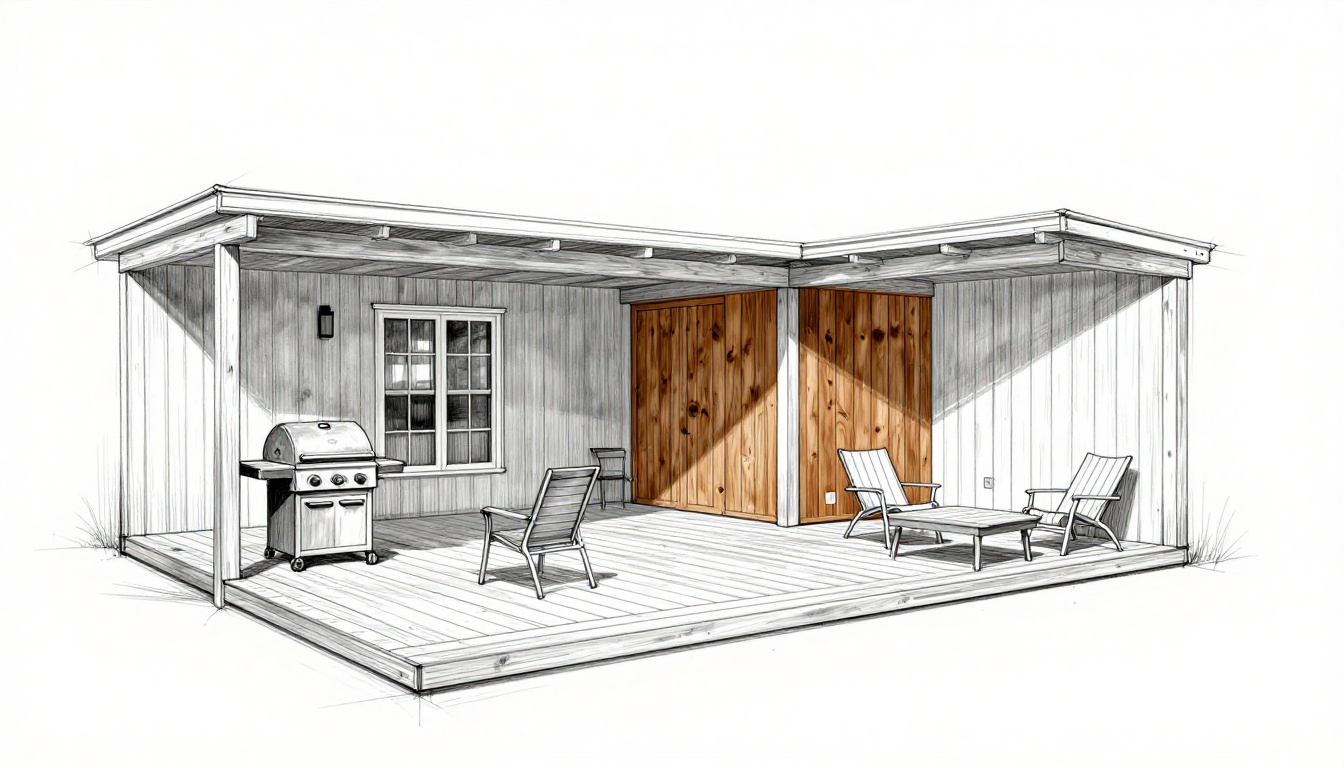
Picture this: summer sun beats down as friends gather for barbecues on your new backyard deck. Laughter fills the air, burgers sizzle, kids chase fireflies. But first, you face a big decision. Pressure-treated lumber, cedar, or composite decking? Each offers unique perks.
You want a deck that fits your budget, withstands weather, and matches your style. Costs vary, maintenance differs, and looks evolve over time. This guide breaks down pros, cons, and real-world fits. By the end, you’ll know which material suits your yard best.
Let’s start with the most common choice.
Pressure-Treated Lumber: The Budget-Friendly Workhorse
Pressure-treated lumber starts as everyday wood soaked in chemicals. These preservatives fight rot, insects, and fungi. Home centers stock it everywhere, and it handles heavy loads like patio furniture or grills.
Most people pick it because upfront costs run low, about $2 to $5 per square foot. Strength makes it sturdy underfoot, perfect for family play areas. You can stain or paint it for custom colors that pop.
However, it needs care to last. Expect 10 to 20 years with regular sealing. In mild climates on flat yards, it shines for DIY projects or temporary setups.
Space boards a half-inch apart during install. This lets water drain and air flow. Treat cut ends with extra preservative for better longevity.
Pros That Make It a Top Pick for Beginners
Affordability draws first-timers. You save big compared to pricier options. It supports trampolines or hot tubs without sagging.
Strength stands out too. Thick planks resist bending under crowds. Local stores mean quick pickup, no special orders.
Stains soak in well, so you create looks from rustic brown to beachy blue. For tight budgets, it delivers value fast.
Cons and Ways to Handle Them
Moisture soaks in, causing cracks or warping over time. Splinters can snag skin, especially after rain. Chemicals raise worries for pets or playgrounds, though modern treatments skip arsenic.
Seal yearly with oil-based products. Clean with mild soap. Use stainless steel screws to fight rust.
Elevate the deck for airflow underneath. Skip it near salty coasts, where corrosion speeds up. These steps extend life without much hassle.
Cedar Decking: Timeless Beauty from Nature
Cedar grows light and aromatic, packed with natural oils. These repel bugs and decay without added chemicals. Its red tones fade to elegant silver over years.
Straight grains feel smooth, and it insulates against cold. Costs hit $4 to $8 per square foot, but low upkeep pays off. Plan for 15 to 25 years in rainy spots like the Pacific Northwest.
Renewable sources make it eco-friendly. Guests notice the warm scent on hot days. It suits entertaining zones where views matter most.
Buy kiln-dried boards to avoid shrinkage. Oil finishes keep colors vibrant if you like.
Why Its Looks and Feel Stand Out
Rich hues vary from board to board, adding character. No paint needed; it weathers gracefully. Barefoot walks stay splinter-free when fresh.
It stays cooler in sun than darker woods. Choose clear grade for flawless boards or knotty for savings. Both deliver natural charm.
Cost and Care Realities
Higher grades cost more upfront, but savings come later. Wash occasionally with a hose; no sealing required. Kiln-drying prevents cupping from uneven dry times.
Oil yearly preserves red tones, or let it gray naturally. Long-term, it beats constant refinishing on other woods.
Composite Decking: Set It and Forget It Durability
Composites mix wood fibers with plastic, or go full PVC. They laugh off rot, stains, and fading. No treatments ever; warranties stretch to 50 years.
Prices start at $4 and climb past $10 per square foot. Heavier weight means pro install sometimes helps. Yet busy families love the ease.
Capped versions scratch less and mimic wood grains. Recycled materials appeal to green thumbs. High-traffic poolsides or humid backyards thrive with it.
Leave expansion gaps during build. Clean with soap and water; done.
Unbeatable Strength Against the Elements
Warping never happens, unlike wood. Mold ignores it, insects bounce off. Slip-resistant tops grip wet feet.
Colors hold through sun and snow. Pool decks stay pristine year-round. Humid spots see no swelling.
Investment Worth Making?
Upfront hits hard, but skip refinishing bills. Over 20 years, total costs drop below sealed wood. Soap-and-hose cleaning saves weekends.
Install needs precise gaps for heat shifts. Labor adds up if not DIY, yet longevity wins.
Side-by-Side Showdown: Match Materials to Your Life
Now compare them head-to-head. Factors like budget, climate, and chores guide your pick.
Here’s a quick cost view over 20 years, assuming 200 square feet and basic install.
| Material | Upfront Cost | Annual Maintenance | Total 20-Year Cost (est.) |
|---|---|---|---|
| Pressure-Treated | $600-$1,000 | $100 (sealing) | $3,000-$5,000 |
| Cedar | $800-$1,600 | $50 (washing) | $2,800-$4,200 |
| Composite | $800-$2,000+ | $20 (cleaning) | $2,400-$4,000 |
Pressure-treated saves short-term; composite leads long-run because repairs stay low.
| Factor | Pressure-Treated | Cedar | Composite |
|---|---|---|---|
| Durability | 10-20 years | 15-25 | 25-50+ |
| Maintenance | High | Low | None |
| Aesthetics | Custom stain | Natural gray | Wood-like |
PT fits DIY budgets. Cedar brings charm to rainy woods. Composite suits low-chore lives anywhere.
Hate yard work? Pick composite. Love natural scents? Cedar calls. Tight wallet? PT delivers.
Budget and Long-Term Value Breakdown
DIYers save on PT labor. Pros charge more for heavy composites. Factor replacements: wood needs them sooner.
Over decades, composites cut surprises. No rot fixes mean steady costs.
Which Wins for Your Climate and Style?
Dry Midwest loves PT; little rot risk. Northwest rains favor cedar’s oils. Composites handle extremes everywhere.
Rustic fans take PT or cedar. Sleek modern? Composite’s clean lines.
Your dream deck matches life: kids need splinters-free, entertainers want beauty.
Composites demand less time, PT saves cash upfront, cedar offers timeless appeal. Weigh chores against dollars, then grab samples to feel and see.
Check 2026 prices at local suppliers; they shift with lumber markets. Share your choice in comments below. What fits your backyard best?
Your perfect deck starts today.