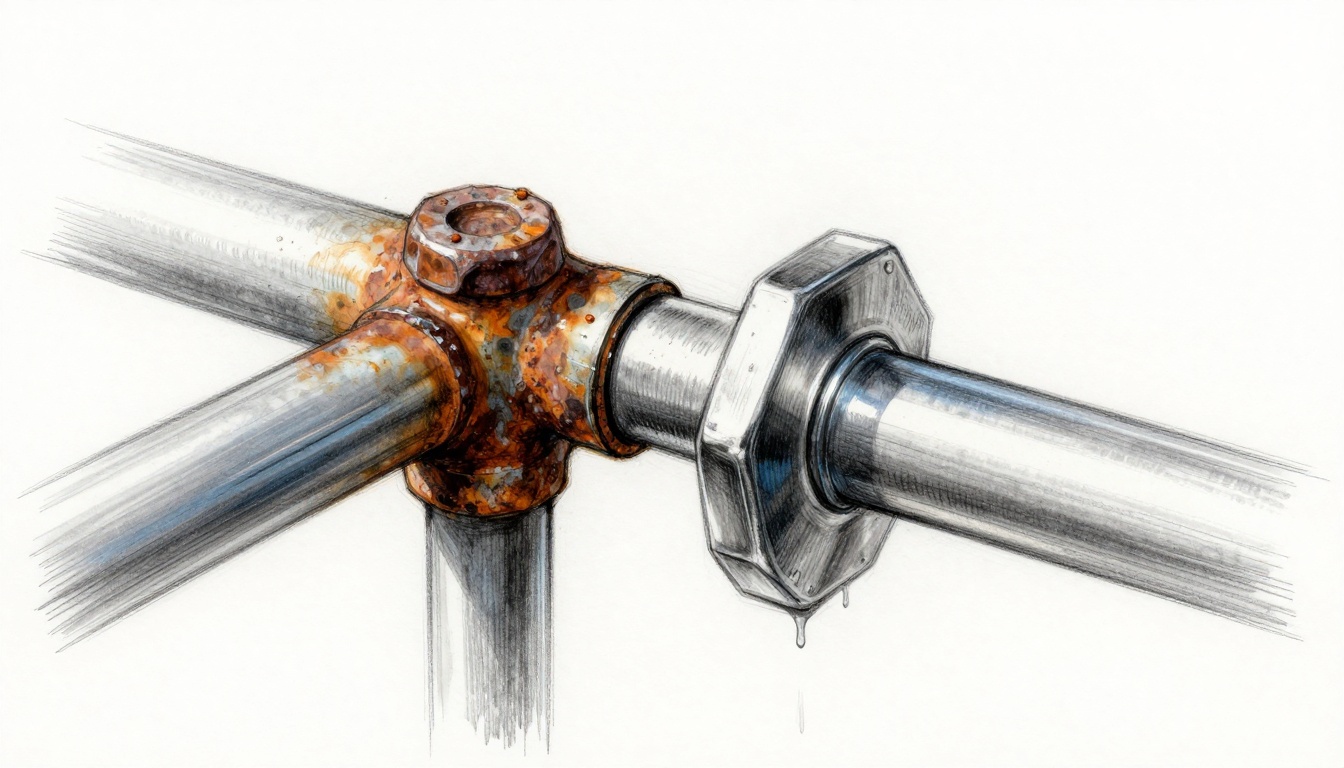
You step out to your backyard deck after a heavy rain. Rusty bolts stare back at you from the railing. That frustration hits hard because you thought galvanized hardware would last forever. Corrosion eats away at metal through moisture and air, but galvanized steel uses a zinc coat for protection while stainless steel relies on special alloys.
Both options work well in the right spots. Galvanized saves money for big outdoor jobs. Stainless shines in tough, wet places. You will learn the clear signs of trouble for each and simple steps to prevent it. This saves time and cash on fixes.
First, grasp the basics of these metals. Then spot issues early. Finally, pick the best for your project.
Key Differences Between Galvanized and Stainless Steel Hardware
Galvanized steel starts as plain carbon steel. Workers dip it in molten zinc or use electricity to coat it. This creates a barrier against rust. It’s cheap and strong for fences, decks, and gates.
Stainless steel mixes iron with chromium and other metals. This forms a tough shield right in the metal. It costs more but looks sleek and handles harsh spots like kitchens or boats.
Costs vary a lot. Galvanized runs $0.50 to $2 per bolt. Stainless hits $1 to $5 or higher. Strength matches steel grades, but stainless resists heat better. Galvanized might dent easier over time.
Common uses differ too. Builders grab galvanized for construction because it lasts 20 to 50 years outdoors. Homeowners pick stainless for counters or marine gear where looks matter.
Here’s a quick side-by-side look:
| Feature | Galvanized Steel | Stainless Steel |
|---|---|---|
| Protection Method | Zinc coating sacrifices itself | Chromium forms passive layer |
| Cost | Lower ($0.50-$2 per piece) | Higher ($1-$5+ per piece) |
| Best For | Outdoor structures, fences | Kitchens, marine, chemicals |
| Lifespan Outdoors | 20-50 years | 50+ years |
| Appearance | Dull, gray zinc layer | Shiny, polished finish |
Knowing these gaps helps you check the right way. Galvanized fails when zinc wears thin. Stainless holds up until chlorides attack.
The Zinc Shield: How Galvanized Steel Holds Up
Zinc acts like a bodyguard for the steel underneath. It corrodes first to save the base metal. Hot-dip galvanizing soaks steel in zinc at high heat for a thick layer. Electro-galvanizing adds a thinner coat.
This setup excels in dry or mildly wet air. Rain splashes off the zinc. But acids like fertilizer or road salt speed zinc loss. Scratches expose steel fast.
Expect solid performance on farm gates or highway signs. However, in coastal fog, zinc fades quicker. Test it by tapping; a healthy coat rings solid.
Chromium Magic: Why Stainless Steel Resists Rust Better
Chromium in stainless steel creates an invisible oxide layer. Oxygen cannot reach the iron below. This passive film heals itself if scratched lightly.
Grades matter here. Type 304 suits indoor or mild outdoor use. Type 316 adds molybdenum for salt water resistance. Both stay shiny with little care.
Strength comes from nickel too, so it bends less under load. Price reflects this durability. Chefs love it for sinks because food acids don’t bite. Boat owners swear by 316 in waves.
Spot Corrosion Fast: Telltale Signs in Galvanized Hardware
White powdery spots signal trouble first. That’s zinc oxide, or white rust, from trapped moisture. It forms in stacks or wet storage. Flaking zinc follows, often with yellow stains underneath.
Red rust means the zinc shield failed. Steel bleeds through pits or bulges. Hardware feels weak or swells. Threads strip easy during checks.
Inspect humid spots like decks or sheds monthly. Coastal areas need weekly looks because salt eats zinc fast. Tighten loose bits and probe soft areas.
White rust spreads quick if ignored. It traps more water and weakens bonds. Catch it early to avoid full replacement.
Early Warnings You Can See and Feel
Feel for rough texture where zinc flakes. A smooth coat stays slick. Road salt leaves crusty edges after winter melts.
Wet storage packs boxes too tight. Condensation builds inside. Yellow streaks run down posts from overhead leaks.
Touch tests work best. Rub a finger; powder comes off easy. In contrast, healthy zinc grips tight. Fertilizers near gardens speed this up too.
Spot Corrosion Fast: Telltale Signs in Stainless Steel Hardware
Stainless shows tea-stain spots first. Brown flecks look like rust but come from iron dust. True corrosion pits tiny holes from chloride attack.
Crevice rust hides in bolt threads or under nuts. Black or brown discoloration marks welds. No big flakes, just sneaky weakness.
Check after salt exposure or bleach cleans. Magnets stick less to pure stainless. Poor grades like 400 series rust faster outdoors.
Harsh cleaners leave streaks. Tight spots trap salt from ocean spray. Inspect shiny surfaces for dull patches.
Pitting and Stains: The Sneaky Culprits
Pits start as freckles then deepen. Salt water drills them in. Surface stains wipe off sometimes, but pits stay.
Crevice corrosion loves gaps. Bolts in sleeves build hidden rust. Iron bits from tools embed and rust too.
Test with vinegar; pits fizz. Cleaners reveal shiny base metal around stains. Coastal hardware shows this most.
Smart Prevention Steps for Galvanized Steel
Store galvanized parts dry and loose. Stacks trap moisture and cause white rust. During install, avoid nicks from hammers.
Use plastic washers between galvanized and other metals. This stops electric reactions. Touch up scratches with cold galvanizing spray right away.
Rinse road salt weekly in winter. Paint over for double protection in farms. Check yearly; tighten and probe.
These steps extend life cheap. A quick spray beats new buys.
Daily Habits and Quick Fixes That Work
Wash with fresh water only. Skip abrasives that scratch zinc. Avoid vinegar or acids near it.
Pair galvanized bolts with same nuts. Dissimilar metals spark corrosion. In salty yards, rinse after storms.
Yearly coats of clear sealer block air. Simple habits add decades.
Smart Prevention Steps for Stainless Steel
Choose 316 grade for outdoors or pools. It fights chlorides best. Clean with mild soap and soft cloths weekly.
Rinse salt or bleach right away. Dry fully to stop spots. Never use steel brushes; they leave rust particles.
Match fasteners to the same grade. Passivate new installs with acid baths for extra oxide layer. Store away from carbon steel tools.
Regular care keeps it like new. No big costs involved.
Cleaning Routines and Material Matches
Wipe kitchen hardware daily. Outdoors, monthly hose-downs suffice. Skip scrub pads that scratch.
Use nylon brushes only. Pair stainless screws with stainless nuts always. This avoids galvanic action.
Dry after every wet job. Habits like these prevent 90% of issues.
Galvanized or Stainless: Pick the Winner for Your Needs
Budget rules first. Galvanized fits bulk jobs like sheds under $500. Stainless suits pretty decks or boats over that.
Location decides too. Coastal picks stainless every time. Dry inland? Galvanized wins on cost.
Load matters; both handle heavy, but stainless flexes better. Hybrid works: galvanized frame with stainless fittings.
Think of your fence. Budget tight and inland? Go galvanized. Beach house railing? Stainless lasts prettier.
Choose right, check often, and your hardware outlasts the project.
Spot white rust on galvanized or pits on stainless early. Simple rinses and grade picks prevent most woes.
Inspect your setup today. Grab a rag and check those bolts. Share your project in comments; what metal do you use? Durable builds start now.