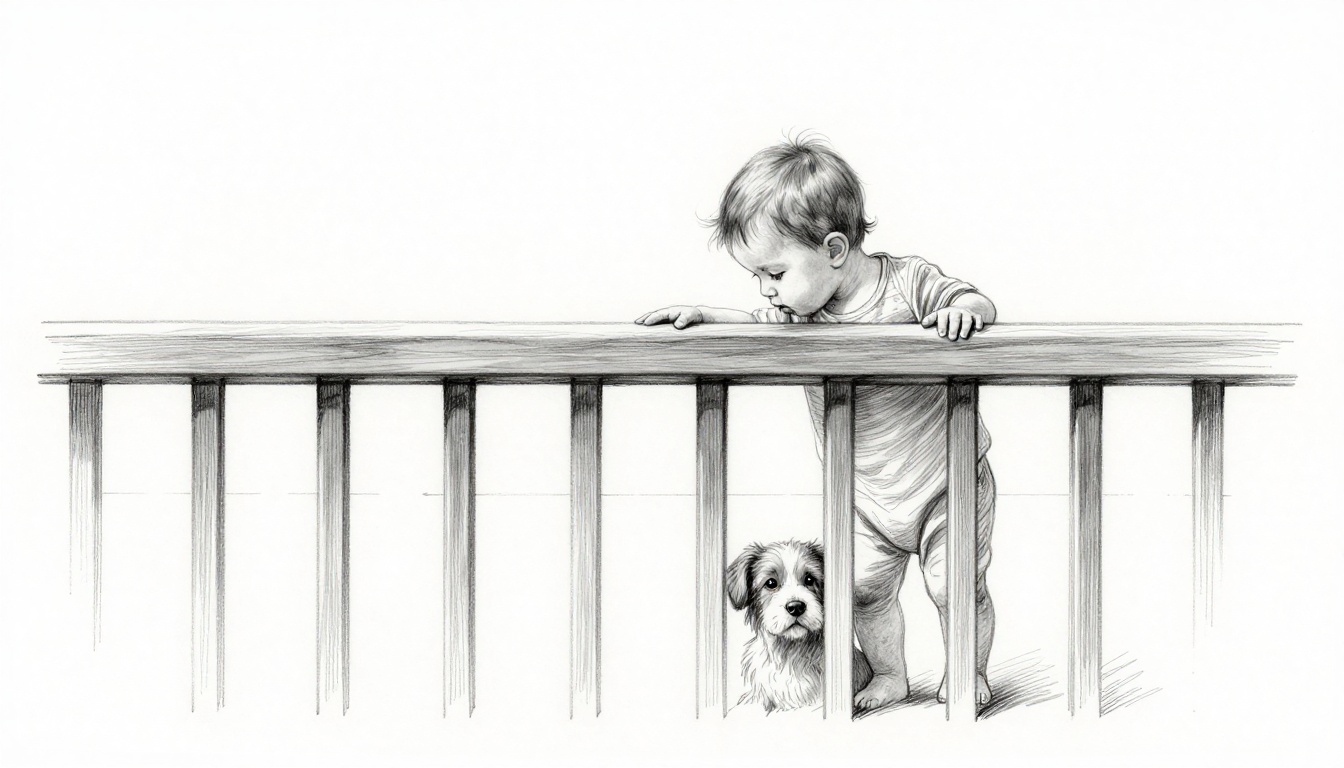
Picture this: your toddler climbs the deck railing, and her head slips right through a gap. She freezes, scared, while you rush over. Moments like that happen too often because balusters, those vertical spindles on stairs, decks, and balconies, have spaces that trap little heads or let pets tumble through.
Balusters keep people and animals from falling. Yet poor spacing turns them into hazards. Kids under five and small pets face the biggest risks from gaps over four inches. You can fix this with basic checks and tweaks. This guide walks you through dangers, rules, measurements, installs, and fixes. You’ll gain confidence to protect your family.
What Balusters Do and the Dangers of Poor Spacing
Balusters act as guards between the top and bottom rails on railings. They stop falls from heights above 30 inches. Without them, or with wide gaps, accidents wait to happen.
Kids fit their heads through openings larger than four inches. This leads to strangulation if they panic and thrash. Small dogs or cats squeeze through the same spots. Each year, railing mishaps send thousands to emergency rooms. Beginners miss this because railings look sturdy at a glance.
For example, a family enjoys backyard play until a child dangles from a loose spindle. Pets chase squirrels and vanish over the edge. Proper spacing prevents these scares.
Key Differences in Stair vs Deck Balusters
Deck balusters need tight gaps because drops are straight down and often higher. Stairs angle the balusters, so gaps change size as you view from different spots. Check both straight on and from below.
Pets climb stairs often, so they test those angled spots more. Decks pose slip risks from wet surfaces. Spot deck ones on porches or balconies. Stair balusters line indoor or outdoor steps. Always measure the widest clear space.
Real-Life Examples of Accidents to Avoid
One neighbor’s puppy fell through porch gaps during playtime. The dog survived with breaks, but vet bills piled up. Another case saw a child’s head stuck in stair balusters at a party. Firefighters cut the wood to free her.
These hits families hard emotionally. Yet simple gap checks stop them. You protect what matters most by acting now.
The Safety Rules Everyone Follows for Baluster Gaps
The International Residential Code sets a clear standard. No gap can let a four-inch sphere pass through. This matches the size of most young kids’ heads or pet torsos.
Test by rolling the sphere along the railing. If it drops through, widen spots fail safety. As of 2026, some codes add pet notes in pet-friendly areas. Guardrails under 36 inches high skip balusters sometimes.
This rule keeps everyone safe without guesswork.
How Local Building Codes Might Change Things
Your city or state may tighten rules. High-risk zones demand 3.5-inch max gaps. Check online portals or call permit offices. Free summaries on code sites help too.
Variations come from earthquake zones or coastal winds. Always verify before big changes.
Pet-Specific Tweaks Beyond Standard Codes
Small pets like ferrets need three-inch max gaps. Tiny dogs or cats have narrow torsos. Measure your pet’s chest for custom fits. Breed matters, so Chihuahua rules differ from Lab pups.
Custom spacing adds peace beyond codes.
How to Measure Your Balusters for Perfect Safety
Start with the rail length. Subtract baluster widths times their number. Divide by baluster count plus one. This gives even gap size.
Formula: Gap = (Rail Length – (Baluster Width x Number)) / (Number + 1). Measure clear space between faces, not centers. Angles widen gaps, so check multiple views.
Even spacing distributes force better.
Tools You Need and How to Use Them Right
Grab a tape measure, four-inch block or sphere, level, and pencil. First, level the rail. Mark spots every four inches max.
Roll the sphere through each gap. If it passes, note it. For stairs, measure at the narrowest and widest points. Repeat on a dry day.
Quick Math Tricks for Any Railing Length
Take an eight-foot rail with 20 two-inch balusters. Rail length equals 96 inches. Subtract 40 inches for balusters. Divide 56 by 21 equals 2.7 inches per gap.
Print free calculators online for speed. Adjust up baluster count if gaps near four inches.
Smart Ways to Install or Fix Baluster Spacing
DIY starts with consistent spacers. Pre-drill holes to avoid splits. Pros handle load-bearing tweaks.
Choose weatherproof materials. Brackets secure without glue.
Easy Steps for Wood Balusters at Home
Mark equal spots along the rail. Cut balusters to match height. Drill and screw into place.
Seal ends with paint or oil. This fights rot from rain.
Handling Metal or Composite for Extra Strength
Metal needs jigs for straight lines. Composites resist pet scratches and warp less.
Tighter fits work because they flex little. Follow manufacturer torque specs.
Common Traps That Ruin Baluster Safety and Fixes
Eyeballing leads to uneven gaps. Sag over time widens them. Angled views hide issues.
Fix by adding fillers or new balusters. Prevention means yearly checks.
Check for loose fits after storms. Tighten as needed.
Tight railings save lives and worry.
Right spacing starts with that four-inch rule. Measure your setups this weekend. Fix wide gaps for good.
Inspect decks, stairs, and balconies now. Share your before-and-after photos in comments. Call a contractor if changes seem big.
Your kids and pets thank you with safe play. Rest easy knowing you acted.